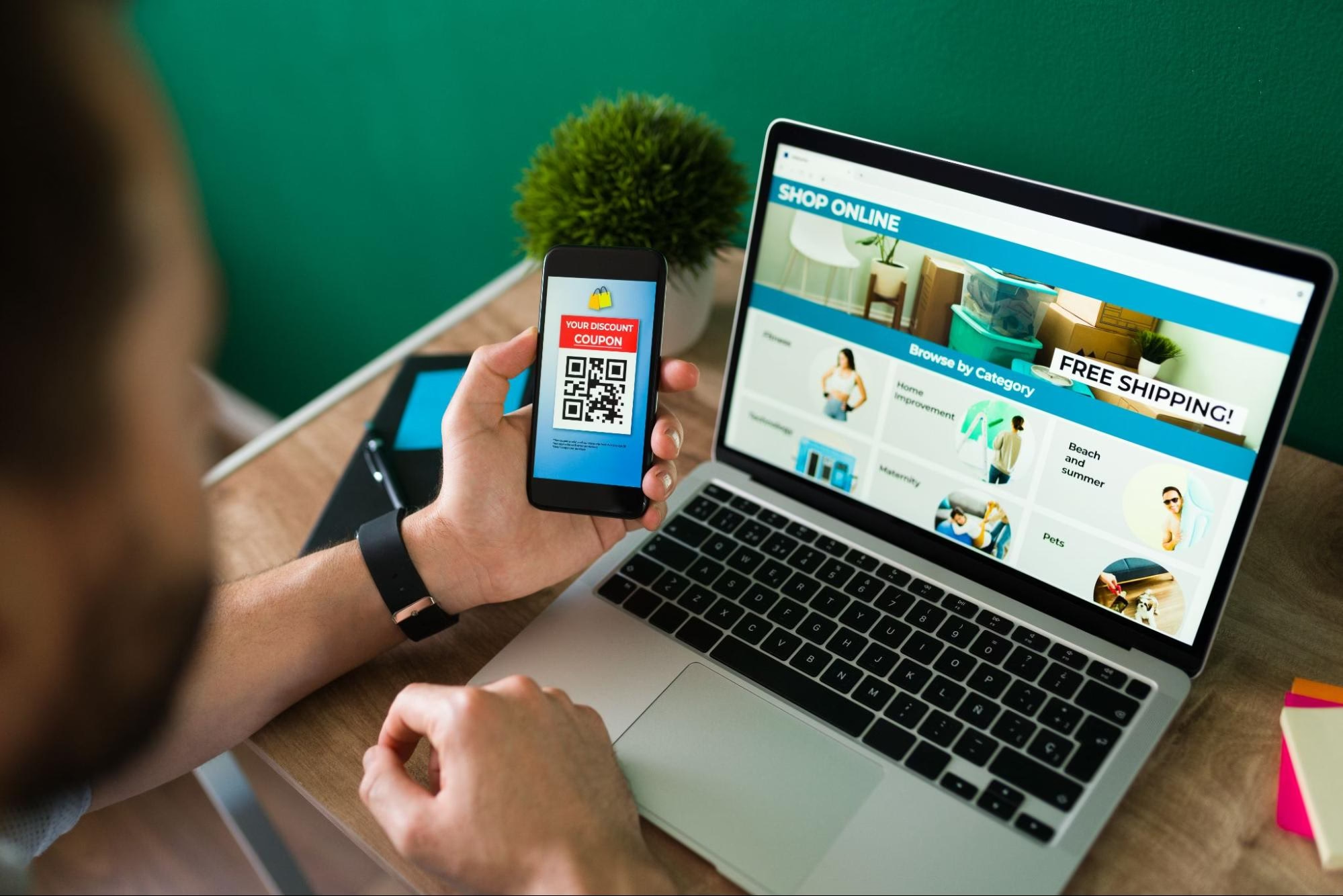
E-commerce isn’t just the future it’s the present. If you’re not in the game, you’re already losing. With global e-commerce sales projected to hit $6.3 trillion by 2024, now is the time to dive in. But what exactly is an e-commerce business?
Simply put, it’s a method for buying and selling goods or services online. It’s more than just setting up a Shopify store; it’s about strategy, grit, and having a reliable partner.
So, are you ready to learn how to start an e-commerce business that not only survives well but thrives? You’re reading the ultimate guide to crushing it online. Plus, why do you need us to win? So, let’s get into it!
What Is an E-commerce Business?
It’s not just Amazon!
E-commerce is a broad term encompassing various business models, including B2B (business-to-business), B2C (business-to-consumer), C2C (consumer-to-consumer), and hybrid models.
Think of brands like Warby Parker or Dollar Shave Club that have carved out niches in the market. Why should you consider an e-commerce business? The benefits are plentiful:
- Low overhead costs
- Exceptional Global reach
- The power to sell and earn 24/7.
Plus, who doesn’t want to work in pajamas?
How to Start an ECommerce Business: The 7-Step Roadmap to Success
E-commerce is experiencing explosive growth, making it a prime opportunity for aspiring entrepreneurs. However, with the increasing competition, it’s essential to carve out your niche and differentiate your brand.
Here’s a detailed seven-step roadmap to guide you through starting your e-commerce venture successfully.
Step 1: Find Your Niche (Or Risk Getting Lost in the Crowd)
Identifying a niche is crucial for your e-commerce success. A well-defined niche lets you target your audience effectively, making your marketing efforts more efficient.
Tips for Finding Your Niche
- Market Research Tools: Utilize platforms like Google Trends, Ahrefs, and SpyFu to analyze consumer interest and identify market gaps. Look for terms with rising search volumes that indicate emerging trends.
- Competitor Analysis: Study your competitors to see what they offer and where they might be lacking. This can reveal opportunities for differentiation.
- Passion and Expertise: Select a niche that aligns with your interests and expertise. Your love will drive your business, making it easier to engage with your audience.
Step 2: Legalize Your Hustle (Yes, It’s Boring but Essential)
Establishing a legal structure for your business is a crucial step that should not be overlooked.
Key Considerations
- Business Structure: Decide between forming an LLC, corporation, or sole proprietorship. An LLC can offer personal liability protection, while a sole proprietorship is simpler but exposes you to individual risk.
- Licenses and Permits: Research the licenses and permits required in your region. This may include sales tax permits, zoning permits, and business licenses.
- Tax Obligations: Familiarize yourself with the tax requirements for your business structure. Consulting with a professional will definitely save you from costly mistakes and ensure compliance.
Step 3: Choose Your Battleground: E-commerce Platforms
Selecting the right e-commerce platform is like picking up the battlefield for your business. Each platform has its own unique environment, features, benefits, and limitations.
Popular Platforms
- Shopify: Known for its user-friendly interface and commendable built-in features, Shopify is ideal for beginners looking for a hassle-free setup.
- WooCommerce: A WordPress plugin that offers extensive customization options, WooCommerce is perfect for those who want complete control over their website.
- BigCommerce: This platform is suitable for larger businesses due to its scalability and robust built-in features.
Custom Development
If you have specific needs, consider working with a development team to create a custom e-commerce website. A tailored site can enhance user experience and improve conversion rates.
Step 4: Design a Store That Captivates
Your online store’s design plays an integral role in attracting and retaining customers. First impressions matter, and a well-designed site will significantly impact your sales.
Design Principles
- User Experience (UX): Focus on creating and establishing an intuitive navigation structure. Customers should easily find what they’re looking for without frustration.
- User Interface (UI): A visually appealing design featuring high-quality images and a cohesive, attractive color scheme enhances user engagement. Ensure that your calls-to-action (CTAs) are clear and compelling.
- Mobile Optimization: With an increasing number of consumers shopping on mobile devices, ensure your store is mobile-friendly and loads quickly.
Professional Design Services
Consider hiring a professional design team to craft a polished, user-friendly store. A well-designed site can convert visitors into loyal customers.
Step 5: Source Products Like a Pro
Deciding how to source your products is a pivotal factor in your e-commerce business model.
Sourcing Strategies
- Dropshipping: This low-risk model empowers you to sell products without holding inventory. Partner with reliable suppliers who handle fulfillment directly.
- Holding Inventory: If you choose to manage your inventory, ensure you have a solid warehousing strategy and can effectively manage stock levels.
- Print-on-Demand: For custom products, consider print-on-demand services, which allow you to sell unique items without upfront investment.
Negotiation Tactics
Learn how to negotiate with suppliers effectively. Building strong relationships will lead to better pricing and terms, enhancing your profit margins.
Step 6: Marketing: Where the Magic (and Money) Happens
Effective marketing is essential for converting potential customers into loyal buyers. This step involves a multi-faceted approach.
Marketing Strategies
- Search Engine Optimization (SEO): Optimize your website to rank higher in search engine results. Use relevant keywords and create memorable content to attract organic traffic.
- Content Marketing: Engage your audience with informative blogs, engaging copy and videos, and storytelling. This builds brand loyalty and positions you as an authority in your niche.
- Paid Advertising: Utilize platforms like Facebook, Google Ads, and TikTok to reach your target audience fast. Experiment with various tried-and-tested ad formats to determine which one resonates best.
- Email Marketing: Implement a successful email marketing strategy to nurture leads and recover abandoned carts. Personalized email campaigns will significantly increase your conversion rates.
Professional Marketing Services
Consider hiring a well-known digital marketing agency to assist you in crafting a thorough marketing strategy that aligns well with your business goals.
Step 7: Launch Like a Boss (Then Optimize Relentlessly)
Your launch is just the beginning. A successful e-commerce business launch requires careful planning and a robust pre-launch checklist.
Pre-Launch Checklist
- Website Testing: Ensure that all functionalities work correctly, from payment processing to mobile responsiveness.
- Analytics Setup: Install competent tools like Google Analytics and Hotjar to monitor user behavior and website performance.
Post-Launch Optimization
After launching, continuously analyze performance metrics. Use the data to make informed decisions about improving user experience and marketing strategies. Regularly update your content and products based on feedback and trends.
Continuous Improvement
Remember that optimizing your store is an ongoing process. Stay agile and always be willing to revise your strategies as you gain a deeper, more comprehensive understanding of your audience and market dynamics.
This seven-step roadmap will help you navigate the complexities of starting an e-commerce business and set yourself up for long-term success. Embrace the journey, stay committed, and watch your entrepreneurial dreams come to fruition!
The Secret Sauce: Why Most eCommerce Stores Fail (And How We Save You)
Most e-commerce stores fail due to common pitfalls, such as poor user experience (UX), weak search engine optimization (SEO), and generic branding. Here’s where we bulldoze the competition:
- Graphic design that makes your brand unforgettable.
- Content marketing that builds trust (and Google love).
- SEO strategies tailored for e-commerce tailored for e-commerce (title tag disasters? Not on our watch).
From Surviving to Thriving: Scaling Your Ecommerce Empire
Once you’ve established your store, it’s time to think about scaling. Reinvest your profits wisely and consider advanced tactics such as retargeting ads, implementing loyalty programs, and expanding internationally.
Scaling without a strategy is like skydiving without a parachute. Our marketing services are parachutes.
Why DIY E-commerce is a Trap (Let’s Talk About You vs. Us)
Let’s be real. Navigating the e-commerce landscape alone can be overwhelming. Time constraints, skill gaps, and the allure of “Shiny Object Syndrome” can derail your progress.
You handle the product; we’ll handle the profit. Our full-service packages turn your vision into a revenue machine.
Ready to Launch (or Level Up) Your E-commerce Business? Let’s Get Dangerous.
Look, you’ve got two choices: Keep fumbling with plugins and pixels, or let us hand you the keys to a Lamborghini-level e-commerce store. Our done-for-you marketing services aren’t a cost; they’re your ROI rocket fuel. From jaw-dropping design to SEO that drives traffic, we’re here to make sure your store isn’t just another URL.
Book a free strategy session now, and let’s turn your ”what if” into ”we did it.”
Wrapping Up: Your E-commerce Journey Starts Now (But Only If You’re Serious)
In summary, starting an e-commerce business needs careful planning and execution. The world doesn’t need yet another mediocre online store; it needs yours — if you’re you’re ready to play for keeps.
We’ll bring the expertise; you get the hustle. Let’s go!
With our help, your e-commerce store can become a powerful revenue-generating machine. Let’s make it happen!