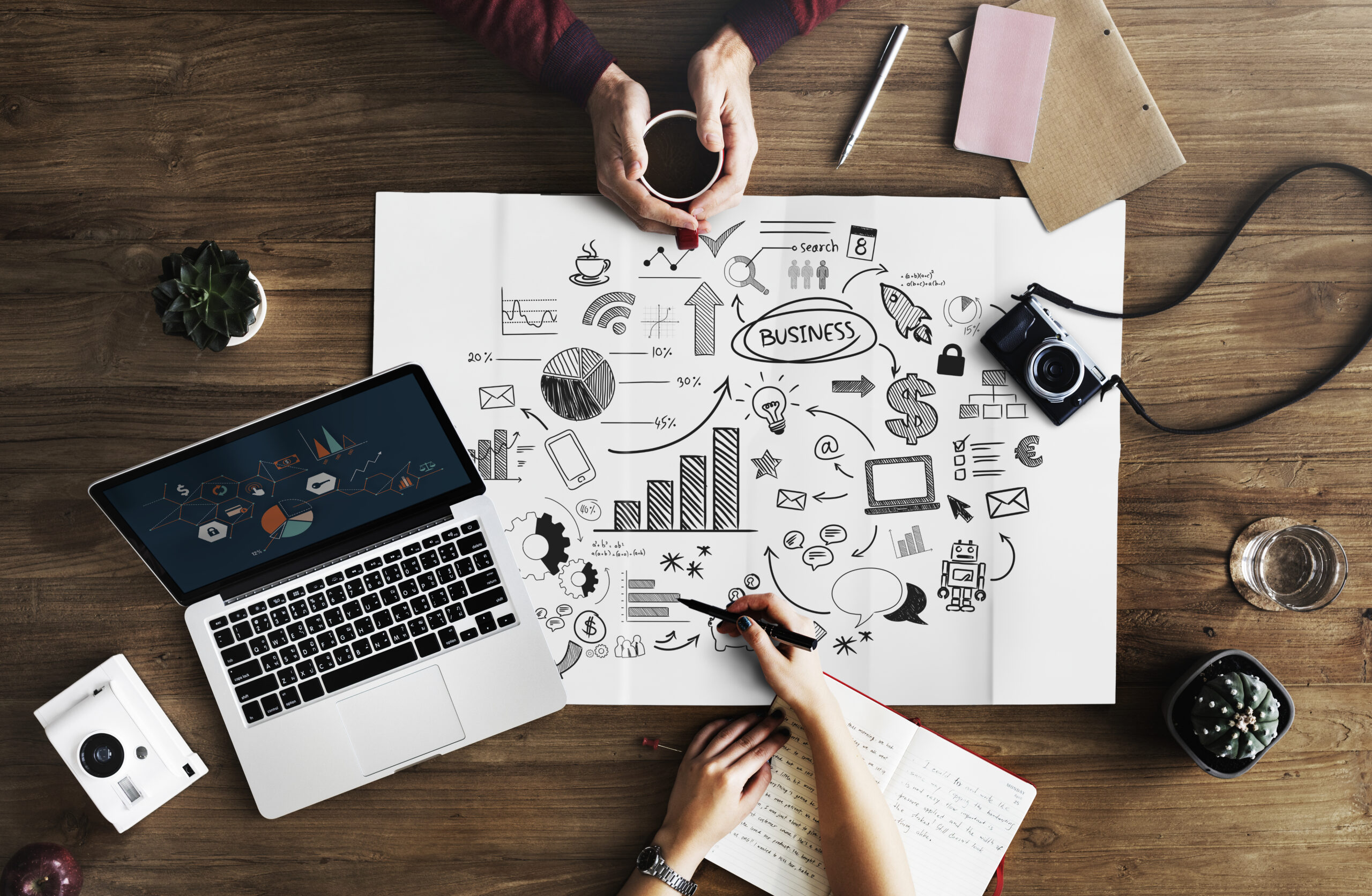
Whether it’s a sponsored post on Instagram, a billboard on the highway, a pop-up ad on a website, or a radio ad during your morning commute, you encounter marketing every single day.
These are all different forms of marketing. One form can be traditional, another might be digital. And if you’re running a business or trying to grow one, you should understand the difference between traditional and digital marketing.
Remember, throwing money in the wrong strategy is like putting premium gas in a diesel engine. It just won’t work
This article breaks down the difference between traditional and digital marketing, covering what each does well and where each falls short.
What Is Traditional Marketing?

Traditional marketing includes any form of business promotion that does not take place online. Traditional marketing has existed for decades, even centuries.
We’re talking about:
- Television commercials
- Radio ads during morning drive time
- Print ads in newspapers and magazines
- Direct mail, including catalogs and promotional offers
- Outdoor advertising such as billboards
- Cold calls and telemarketing
Traditional marketing is physical. You can touch it, hold it, or at least see it on a screen that doesn’t require Wi-Fi. For a long time, it was the only available approach. And it still works well for certain things.
The primary strength of traditional marketing is reach. A Super Bowl ad reaches millions of viewers at once, and a billboard on a busy highway is seen by thousands of commuters daily. Printed materials and physical mail carry a tangible quality that digital formats cannot replicate.
The main drawback is cost. Traditional marketing can be significantly more expensive than digital alternatives. Like, really expensive. And it’s hard to know if it’s working. You can run a $10,000 newspaper ad and have no idea how many people actually bought something because of it.
The Rise of Digital Marketing
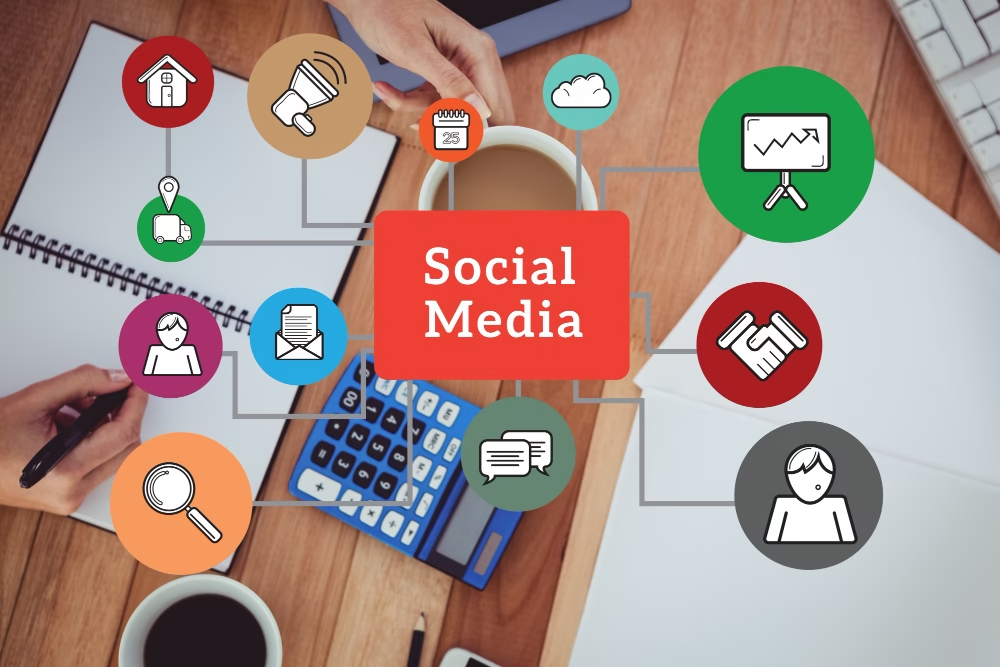
Digital marketing is anything that uses the internet to reach people. Social media posts, Google ads, emails, blog articles, YouTube videos, influencer sponsorships – all of that falls under the digital umbrella.
Traditional and digital marketing share the same goal: getting people to buy your stuff. But they go about it completely differently.
Digital marketing is highly targeted. You can target an ad to a hyper-specific audience segment based on demographics, interests, location, and recent search behavior. That level of precision is not possible with a billboard.
It’s also measurable. You can see exactly how many people clicked your ad, how long they stayed on your site, and whether they bought something. You can track the entire journey from the first click to the final purchase.
With traditional marketing, it is difficult to know which portion of your budget is producing results. Digital marketing provides clear answers.
Marketers plan to increase investment in content marketing and SEO by 45% in 2026. The shift from traditional to digital isn’t slowing down.
Which One Actually Works Better?

The honest answer is that it depends on your business, audience, and goals.
If you’re trying to reach older demographics, traditional marketing still has power. People over 50 still read newspapers and listen to the radio. Direct mail actually works well for certain industries.
Studies show that consumers trust print ads more than digital ads when making purchase decisions.
For audiences under 50, digital marketing is essential. This demographic has largely shifted away from print and linear television and spends the majority of its media time on phones, social platforms, and search engines.
The smartest play for most businesses is actually both.This is called integrated marketing: using traditional channels to build broad awareness and digital channels to drive specific action.
A billboard that directs people to a website, or a direct-mail piece with a QR code linking to a special offer, are examples of bridging traditional and digital channels.
Where Things Are Headed

The trend is clear. Digital marketing continues to grow while traditional marketing contracts. Global ad spend is projected to hit $753 billion by 2026, with mobile in-app ads alone accounting for more than half of that.
People are spending more time on their phones and less time watching TV or reading print. Traditional marketing is not disappearing. It is evolving.
Streaming is becoming television, print is changing into a digital subscription, and radio has evolved into podcasts.
So, What Should You Do?
Ask yourself a few questions.
- Who are your customers? If they’re older and local, traditional marketing might still make sense. If they’re younger and everywhere, digital marketing is your answer
- What’s your budget? If you’re bootstrapping, digital marketing gives you more bang for your buck. With a larger budget, traditional channels can build brand awareness at scale.
- Can you measure it? If you need to know exactly what you’re getting for your money, digital marketing wins every time.
Today, most businesses benefit from a combination of both approaches. Digital marketing is no longer optional for most businesses, but traditional marketing still plays a meaningful role in building brand recognition and reaching certain audiences.Traditional marketing becomes especially relevant when competitors dominate offline channels, or when your audience is best reached through physical media.Let’s talk if you’re ready to figure out the right marketing mix for your business. Whether you need help with digital strategy or want to explore how traditional channels might fit into your plan, we can build something that actually works. Schedule a free consultation to get a custom marketing roadmap.